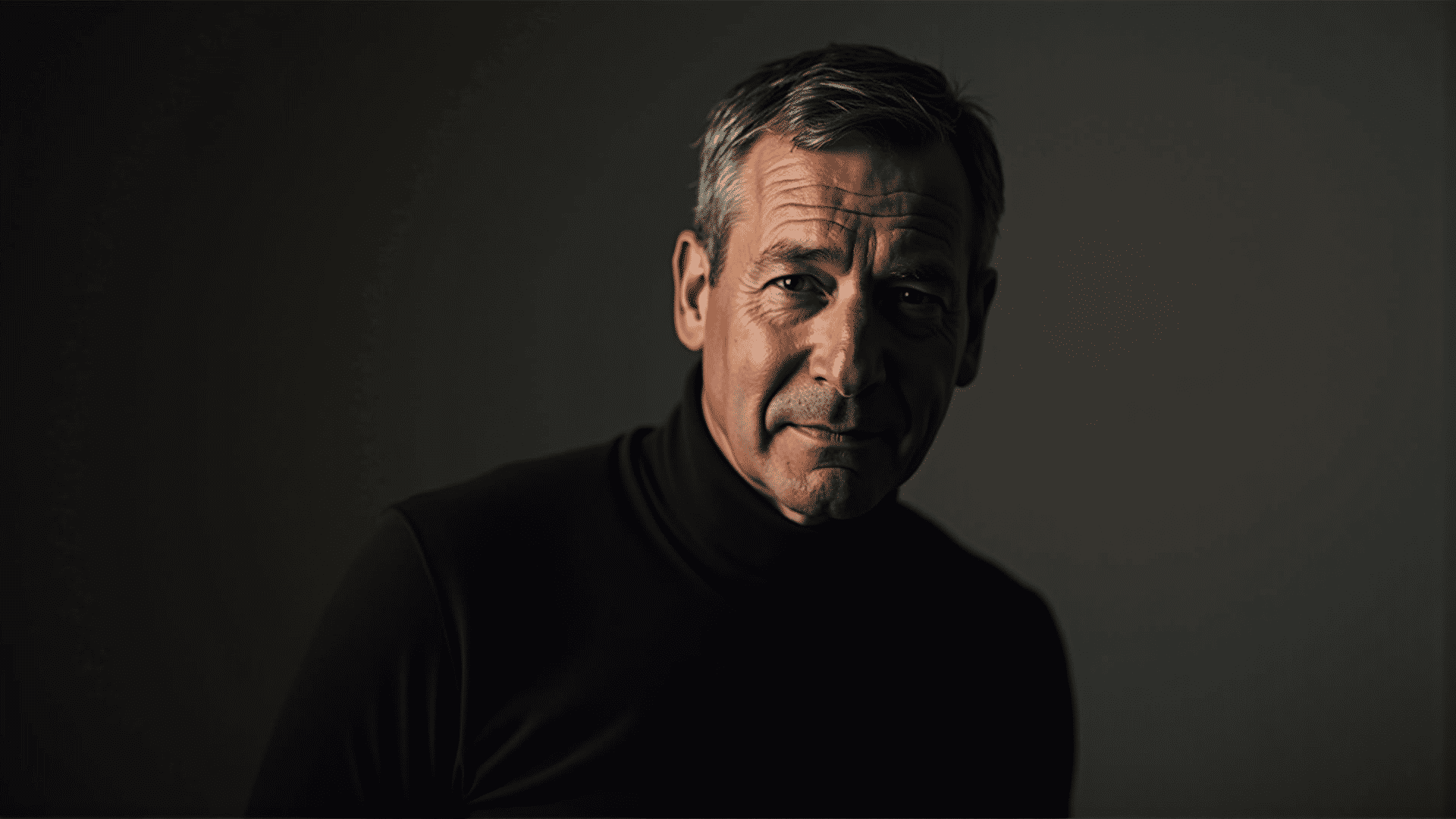
Understanding the role of lighting in photography is essential, whether you're capturing a portrait, landscape, or still life. Light not only illuminates but also shapes an image, emphasizing textures, creating mood, and directing the viewer's eye.
Natural Light:
Natural light, sourced from the sun, is inherently dynamic, changing with the time of day, weather, and season. The golden hour, shortly after sunrise or before sunset, is particularly treasured by photographers for its soft, warm light which casts long, flattering shadows. To harness the best natural light, observe how it interacts with your subject at different times and adjust your position accordingly for optimal results.
Artificial Light:
Artificial light offers consistency and control, ideal for indoor settings or nighttime shoots. Common tools include LED panels, strobes, and continuous lights. Each type has unique characteristics — LEDs provide consistent light without heating, whereas strobes deliver powerful bursts. Experimenting with light placement and intensity allows for creative control over shadows and highlights.
Diffusing Light:
Bright, direct light can produce harsh shadows and unflattering highlights. Diffusing light softens these effects, creating a more even illumination across your subject. Simple solutions include using a softbox, white umbrella, or sheer fabric, all of which scatter light and reduce harshness.
Directional Light:
The direction from which light hits your subject plays a critical role in defining its appearance. Front lighting produces even exposure, backlighting can create silhouettes or halo effects, and side lighting enhances texture and depth. Understanding how to manipulate these angles helps in crafting compelling imagery.
Reflectors and Bouncers:
Reflectors are invaluable tools in photography, redirecting light to fill in shadows without additional light sources. Available in various sizes and colors (like silver, gold, or white), reflectors can add warmth or coolness to the image. Similarly, using natural surfaces, such as a white wall, can act as effective bouncers.
Setting the Mood:
Beyond mere illumination, light imbues images with emotion. Soft, diffused lighting evokes tranquility, while stark, contrasting light adds drama and tension. Color temperature is also integral to setting mood — warm tones often feel inviting, while cooler hues convey a more formal or somber atmosphere.
Adapting to Challenges:
Photography often involves adapting to less-than-ideal lighting. Overcast days may lack natural contrast but offer even diffused light. On bright sunny days, seek out shaded areas for softer effects. In low light, increase your camera's sensitivity to light (ISO) or use longer exposure times, but be cautious of introducing noise or blur.
In essence, understanding and manipulating light is akin to painting with a palette of shadows and highlights. With practice and experimentation, you can harness lighting's transformative power to craft photographs that captivate and communicate effectively.