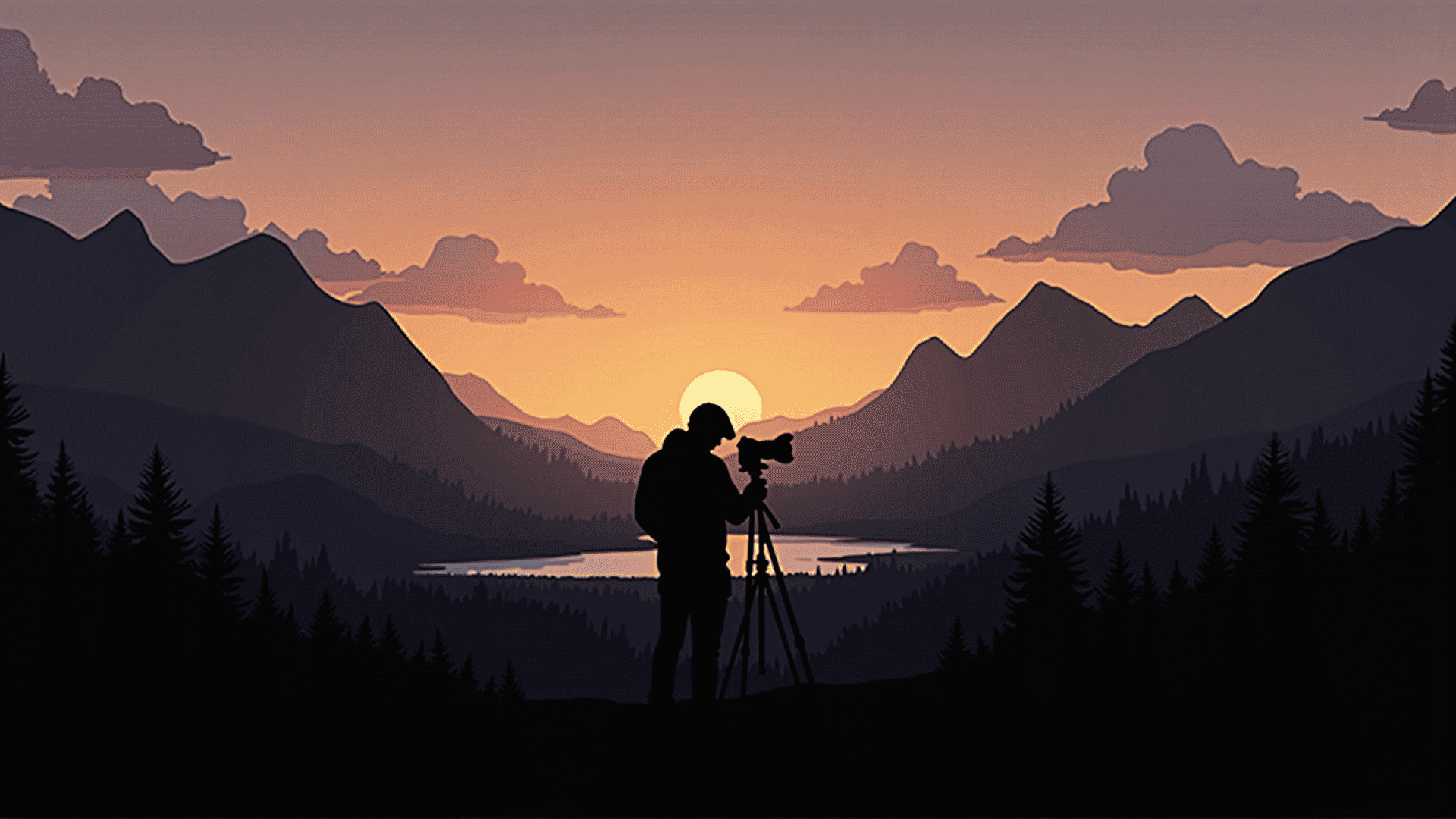
When it comes to celebrating the splendor of the natural world, few activities are as satisfying as creating spectacular images of landscapes. Each location presents its own challenges and opportunities, but with the right techniques, you can uncover the hidden beauty in even the most mundane of scenes.
Understanding Light and Timing
Light is a critical element in landscape photography. The so-called "golden hours," shortly after sunrise and just before sunset, offer particularly favorable conditions. During these times, the sun is low in the sky, casting a warm, soft glow and creating long shadows that add depth to your images.
The direction and quality of light can dramatically alter a landscape's appearance. Experimenting with backlighting, for instance, can highlight textures in vegetation, while side lighting can add dimensionality to mountainous terrains.
Composing Your Shot
Composition plays an essential role in whether a photograph merely shows a scene or invites the viewer into an experience. Start by considering the rule of thirds; imagine dividing your frame into nine equal parts using two horizontal and two vertical lines. Position key elements along these lines or at their intersections to create balance and interest.
Foreground interest is another compositional technique worth exploring. Including elements such as rocks, flowers, or water can lead the viewer's eye into the photo and add layers to the scene. Remember, depth in a photograph makes it feel alive.
The Magic of Weather and Seasons
Whether you're dreaming of crisp snow-topped peaks or the velvety mists of a moody morning, weather conditions can transform a landscape. The drama of stormy skies or the serenity of a clear day each tell different stories. Embrace the unpredictable and shoot in various weather conditions to capture the heart of Mother Nature.
Seasons also offer a natural rhythm and variety to landscapes. The vibrant colors of autumn, the ice-coated trees of winter, the fresh greenery of spring, and the sun-drenched landscapes of summer each present unique palettes and atmospheres.
Equipment and Planning
While high-quality devices certainly help, they are not the only factor determining your success in landscape photography. Planning is crucial; researching the location, weather conditions, and the right time to visit can make a significant difference in capturing that perfect shot.
Scout locations beforehand, if possible, checking out angles and potential compositions, so you are ready when the ideal lighting and weather conditions align. Patience is your friend; nature doesn't work on human schedules.
Fine-tuning Your Skills
Post-processing is where you can refine your photographs. Techniques like adjusting the contrast, enhancing colors, and sharpening selected areas can bring out details you may have missed initially. However, aim for a balance between enhancement and authenticity, preserving the natural beauty of the landscape.
By immersing yourself in these elements, you can cultivate an appreciation not just for photography but for the landscapes themselves. Each frame becomes more than just a picture; it evolves into a narrative, a story that speaks to the grandeur and subtlety of the world around us. With practice, you can learn not just to capture a scene, but to convey its essence, inviting others to see the world with new eyes.