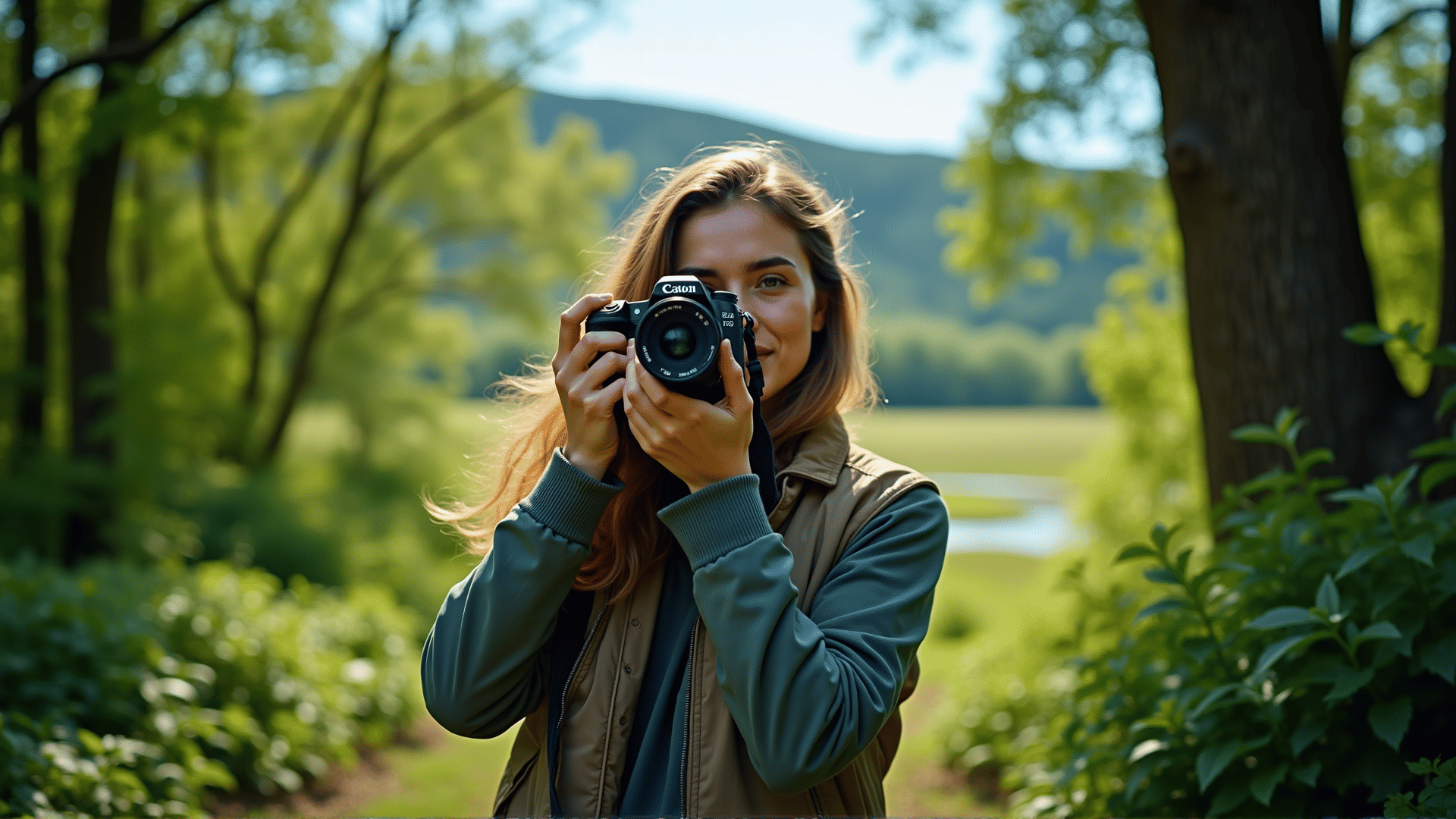
Understanding the nuances of using your device can significantly enhance your ability to capture stunning images. Learning how to manipulate and optimize such settings can fundamentally transform your experience and the quality of what you capture. Here’s a comprehensive guide to help you master the art of using your tool to its fullest potential.
Understanding Exposure
Exposure is the foundation of any great image. It’s a trio of settings—aperture, shutter speed, and ISO—that work in harmony to properly light your subject.
- Aperture: This setting controls the amount of light entering through the lens. A low aperture (such as f/2.8) blurs the background and is perfect for portraits, while a high aperture (like f/11) keeps more of the scene in focus, ideal for landscapes.
- Shutter Speed: This determines how long your sensor is exposed to light. Use a fast shutter speed to freeze motion and a slower one to create motion blur, which can add a sense of dynamism.
- ISO: This setting adjusts your sensor’s sensitivity to light. A low ISO is excellent for bright conditions to maintain detail, while a higher ISO can bring out images in low light but might add noise.
Mastering Focus
Using autofocus is convenient, but understanding and utilizing manual focus can give you more control, especially in scenarios with tricky lighting or when aiming for artistic effects like soft edges or sharp details.
Utilizing White Balance
White balance affects the color tone of your images. By adjusting this setting, you can ensure your photos have the correct color temperature, whether it’s capturing the warm hues of a sunset or the cold tones of a winter morning.
Exploring Composition Techniques
Composition can dramatically affect how your images are perceived. Familiarize yourself with the rule of thirds, leading lines, and symmetry to create more compelling visuals.
- Rule of Thirds: Divide your frame into a 3x3 grid. Positioning your subject along these lines or at their intersections can create more balance and interest.
- Leading Lines: Use natural lines in your environment to draw the viewer’s eye towards the main subject.
- Symmetry and Patterns: Finding balanced elements or repeating patterns can make for a striking image.
Harnessing the Magic of Light
Lighting is crucial. Early mornings and late afternoons, often referred to as 'golden hour,' provide soft, diffused light that’s perfect for portraits and landscapes. Don’t forget about experimenting with artificial light and reflectors to manipulate and enhance natural light for your desired mood.
Experimenting with Techniques
Try different techniques like long exposure for night scenes, panning to track moving subjects, or even experimenting with black and white to focus solely on contrast and texture.
Post-processing Considerations
Post-processing is where you can refine your work. Whether you're adjusting exposure levels, enhancing colors, or cropping for better composition, post-editing allows you to bring your creative vision to life.
By exploring and mastering each of these elements, you can elevate your ability and create images that evoke emotion and tell stories. Moreover, treating every situation as a learning opportunity will continually enhance your skillset, leading to consistently remarkable results.