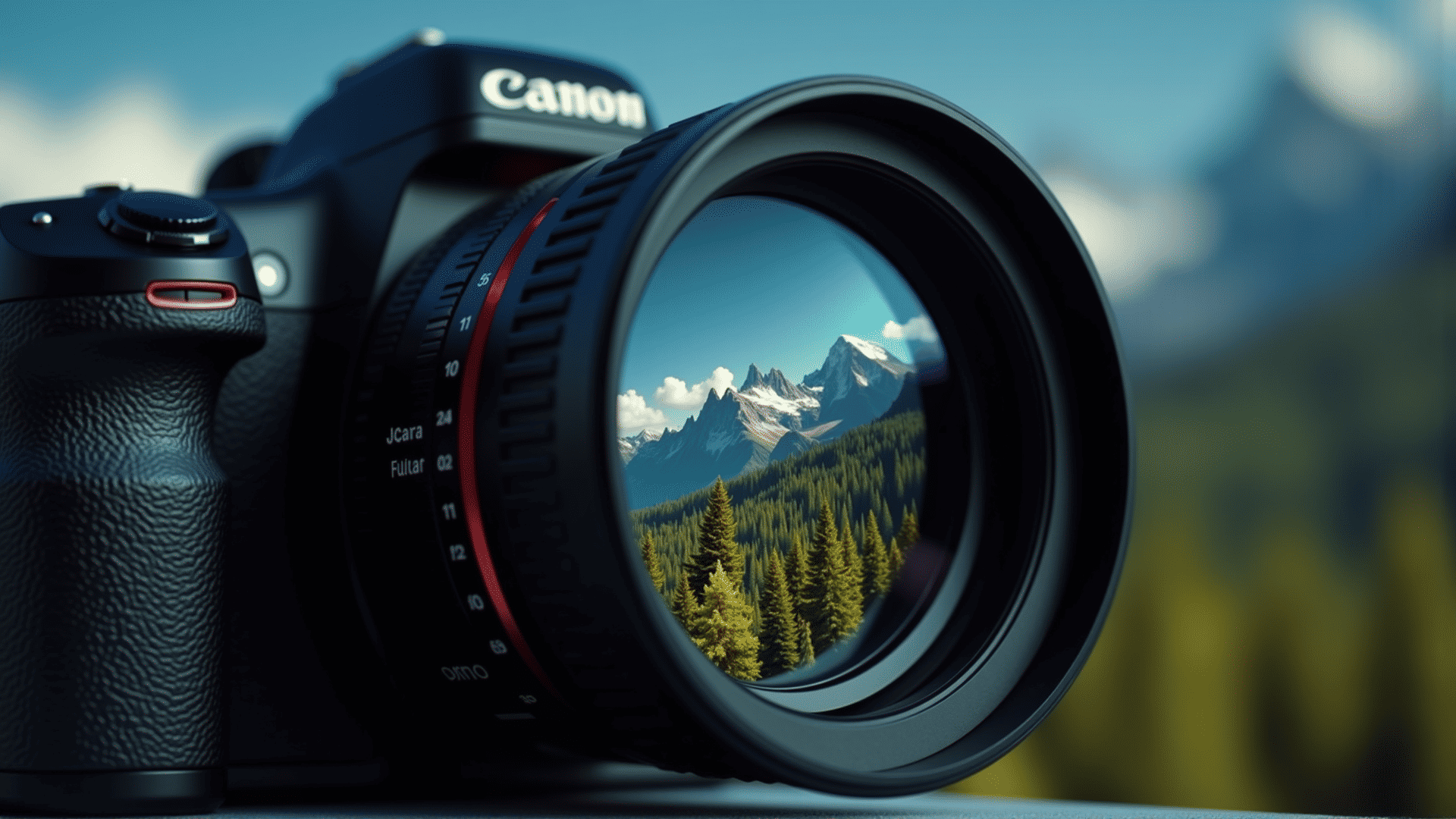
Exploring the world of image capture can be an exhilarating journey, especially for those beginning to dabble with cameras. One of the most effective ways to improve the quality of your images is by gaining a solid understanding of three core camera settings: shutter speed, aperture, and ISO. Grasping these key components will open doors to creative expression and equip you with the skills necessary to take breathtaking photos.
Understanding Shutter Speed
Shutter speed refers to the duration the camera’s shutter remains open to allow light to hit the sensor. Essentially, it helps determine how motion is captured in a photograph. Beginners should experiment with different shutter speeds to see how they affect the image. A fast shutter speed (like 1/1000th of a second) can freeze action, perfect for capturing fast-moving subjects, such as a bird in flight or a speeding car. Conversely, a slower shutter speed (like 1/30th of a second or slower) is ideal for creating motion blur, which can add a sense of dynamism and movement, particularly useful in low-light settings or when you want to evoke the feeling of speed.
Mastering Aperture
Aperture influences the amount of light entering the camera and hitting the sensor. Measured in f-stops, a lower f-stop (e.g., f/1.8) lets in more light, ideal for low-light conditions and creating a shallow depth of field, which results in a beautifully blurred background that makes subjects pop. On the other hand, a higher f-stop (e.g., f/16) reduces the light entering the camera but provides a deeper depth of field, keeping both the foreground and background in sharp focus. This is particularly useful in landscape photography, where capturing intricate details throughout the scene is desirable.
ISO Sensitivity Explained
ISO determines the camera's sensitivity to light. A lower ISO (such as 100 or 200) is suitable for well-lit conditions, producing images with less noise or grain. Higher ISO settings (like 1600 or 3200) are helpful when shooting in darker environments, as they make the sensor more sensitive to light, enabling you to capture scenes without sacrificing shutter speed. However, increasing ISO may introduce grain or noise into your images, so a careful balance is required to maintain image quality.
Balancing the Basics
Achieving the perfect shot involves balancing shutter speed, aperture, and ISO. This trifecta is referred to as the Exposure Triangle, and understanding how these three elements interact is crucial for any aspiring photographer. For instance, adjusting one setting may necessitate compensating with another. When shooting in low light, you might need to widen the aperture or increase ISO to keep a fast enough shutter speed without capturing a blurry image.
Practical Tips for Beginners
For novices looking to practice these techniques, here are a few tips:
-
Experiment with Settings: Use your camera in manual mode to gain experience. Changing the settings on your own will provide a deeper understanding than relying solely on automatic modes.
-
Read the Light: Spend time observing how changing lighting conditions affect your photos, helping you decide which settings to adjust.
-
Utilize a Tripod: When working with slower shutter speeds to prevent camera shake, a tripod can be invaluable.
-
Review and Reflect: Regularly review your photos and note the settings used for each. This reflection helps refine your technique and build confidence over time.
-
Stay Patient and Curious: Mastery doesn’t happen overnight. Continually challenging yourself, experimenting with new techniques, and nurturing your curiosity will greatly enhance your skills.
By honing these essential camera techniques, beginners can transform their approach to photography, resulting in compelling and professionally-crafted images that truly capture the essence of their subjects. Happy shooting!