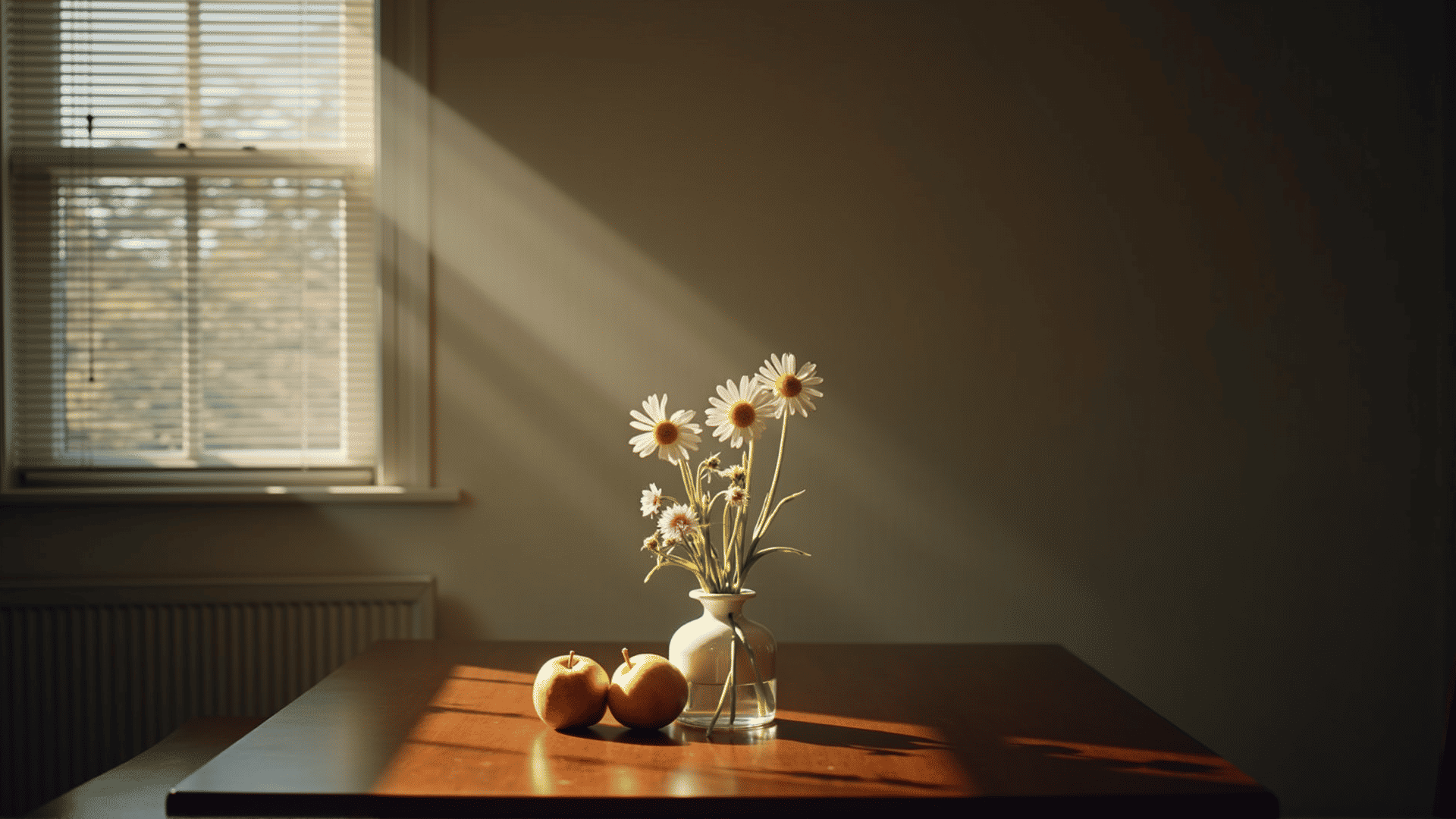
In the world of photography, lighting is an essential element that can greatly influence the mood, style, and depth of an image. Understanding how to harness both natural and artificial lighting can transform ordinary shots into captivating visual narratives, elevating the overall impact of your photographs.
Understanding Natural Light
Natural light is often regarded as the most versatile and accessible source of illumination. Its variations offer a spectrum of atmospheres, each affecting the subject in a unique way. The golden hour, which occurs shortly after sunrise or before sunset, is a favorite among photographers. During this time, the sun casts a warm, soft light, creating rich, atmospheric images with minimal shadows.
Conversely, shooting at midday can be challenging due to the harsh overhead light, which may create unflattering shadows. However, this can be mitigated by seeking out shaded areas or using diffusers to soften the light. Cloudy days, often dismissed as unfavorable, can provide excellent opportunities. The clouds act as a natural diffuser, offering a soft, even light that reduces shadow contrast.
Exploring Artificial Light
Artificial lighting allows for greater control and consistency in photography. Understanding the types of artificial light and their effects can expand creative possibilities. Continuous lights, such as LED panels, provide a steady source of illumination, allowing you to see how shadows and highlights interact before capturing the image.
Strobe lights, on the other hand, are incredibly powerful, offering bursts of light that can freeze motion and produce sharp images. These are particularly useful in scenarios where precise control over exposure is needed. Using reflectors and modifiers with strobes can help control the light spread, soften shadows, and create a more flattering look.
Fundamentals of Light Manipulation
Regardless of the source, there are several key principles in light manipulation that can enhance photographic outcomes:
-
Direction: The angle at which light falls on the subject impacts shadow placement and texture prominence. Side lighting emphasizes texture and adds dimension, while front lighting minimizes shadows for a flatter look.
-
Quality: Light quality refers to the softness or hardness of light. Soft light, characterized by gradual transition between highlights and shadows, is often more flattering, while hard light creates strong shadows and higher contrast.
-
Color Temperature: Understanding the color temperature of light sources helps maintain accurate color representation. Daylight is typically balanced at around 5500K, providing a neutral tone, whereas incandescent bulbs emit a warmer tone, requiring adjustments in white balance settings.
Practical Techniques and Tips
Experimentation is key to mastering lighting in photography. Try using different light sources and modifiers to understand their effects fully. Begin with simple setups, such as using a single light source and gradually introduce reflectors or secondary lights to achieve desired results.
Reflectors can help fill in shadows, adding subtle light to areas that appear too dark. When working with artificial lights, experimenting with gels can introduce color casts that add mood or emphasize certain elements within the frame.
Conclusion
Mastering lighting in photography is a journey that involves continual learning and experimentation. By understanding the characteristics and impact of both natural and artificial light, photographers can harness this essential element to craft compelling images that resonate with viewers. Whether capturing the softness of natural light or the controlled intensity of artificial sources, effective lighting can transform an image's story and emotion, creating photography that is not only visually appealing but also deeply impactful.