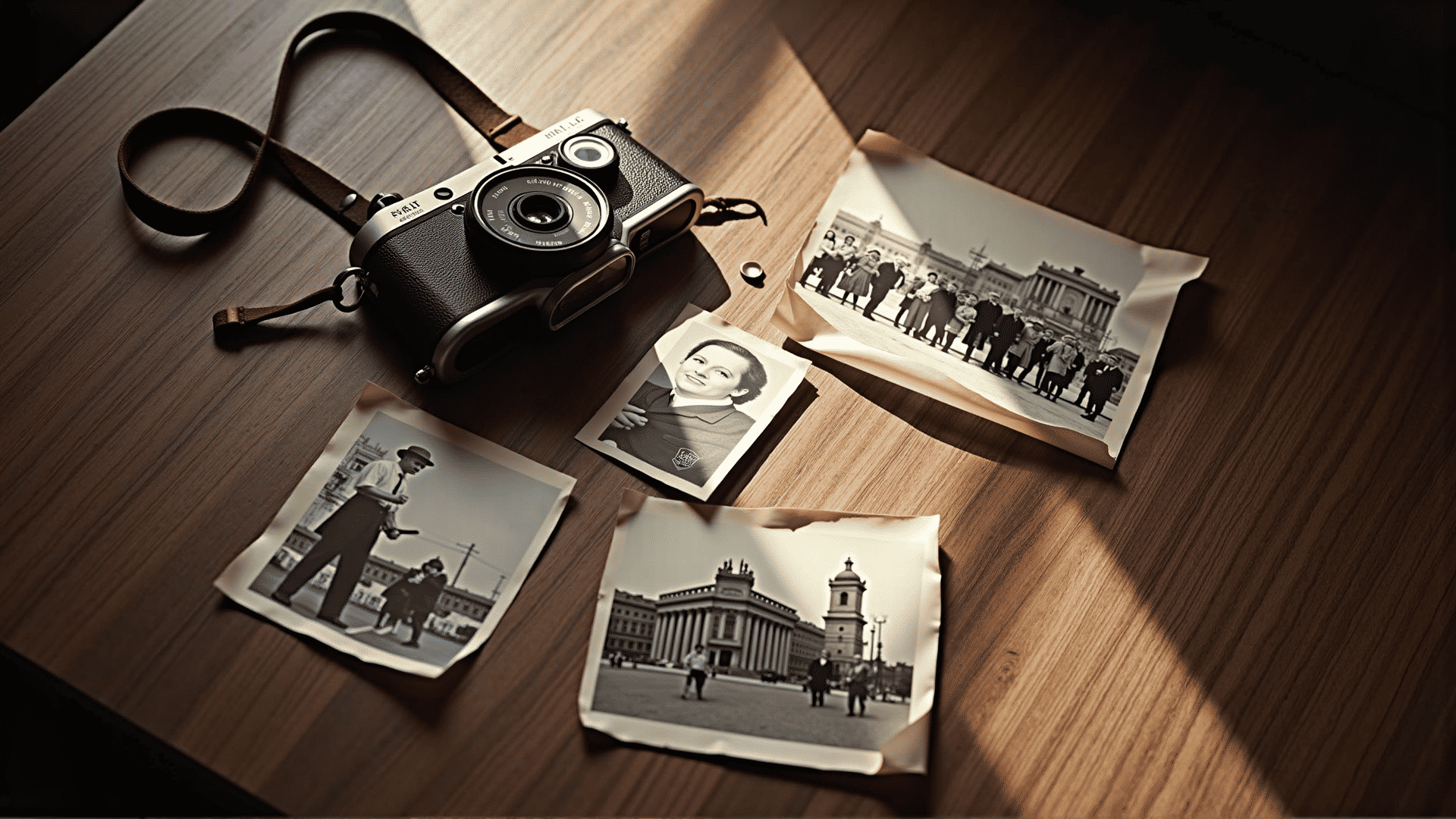
The journey of photography is a captivating narrative of human ingenuity, artistic expression, and technological advancement. From its humble origins in the early 19th century to the digital age, photography has undergone significant transformations, continuously shaping the way we perceive and document the world around us.
The story begins in the 1820s when Joseph Nicéphore Niépce captured the first permanent photograph using a technique called heliography. This involved a bitumen-coated plate that required hours of exposure to light. However, it was the work of Louis Daguerre in the 1830s that truly revolutionized the field. His innovation, known as the daguerreotype, significantly reduced exposure time and produced images with remarkable detail. As the daguerreotype gained popularity, it set the stage for photography as an accessible art form and as a means of preserving moments for posterity.
The latter half of the 19th century introduced further breakthroughs. The introduction of the calotype process by William Henry Fox Talbot enabled the production of multiple copies of an image, unlike the single original of a daguerreotype. This marked the beginning of photography's potential for mass reproduction. The subsequent development of wet plate photography further refined the process, offering greater clarity and detail.
As the 20th century dawned, George Eastman's invention of roll film and the introduction of personal cameras made photography an everyday activity for many. The art form evolved rapidly, with photographers exploring new subjects and techniques. Movements such as pictorialism sought to elevate photography to the level of fine art, using soft focuses and intricate compositions to achieve painterly effects.
The mid-to-late 20th century saw the advent of color photography and the birth of instant cameras, both of which broadened the scope of what photography could capture. This era also witnessed the rise of photojournalism, immortalizing key historical events and societal changes through powerful imagery.
In recent decades, the digital revolution has transformed photography beyond recognition. The shift from film to digital sensors has democratized the medium, allowing anyone with a smartphone to experiment with this art form. Advanced editing software and techniques have expanded the creative possibilities, enabling photographers to manipulate images in ways previously unimaginable.
Through each stage of its development, photography has reflected the zeitgeist and pushed the boundaries of what can be depicted through a lens. It continues to serve as a mirror to society, a tool for storytelling, and a medium for artistic exploration. As technology progresses, the future of photography promises even more exciting innovations, ensuring its place as a dynamic and evolving art form.